Sunset Hills Is Historic. So Why Doesn't It Have a Certificate of Appropriateness?
August 20, 2026
August 20, 2026
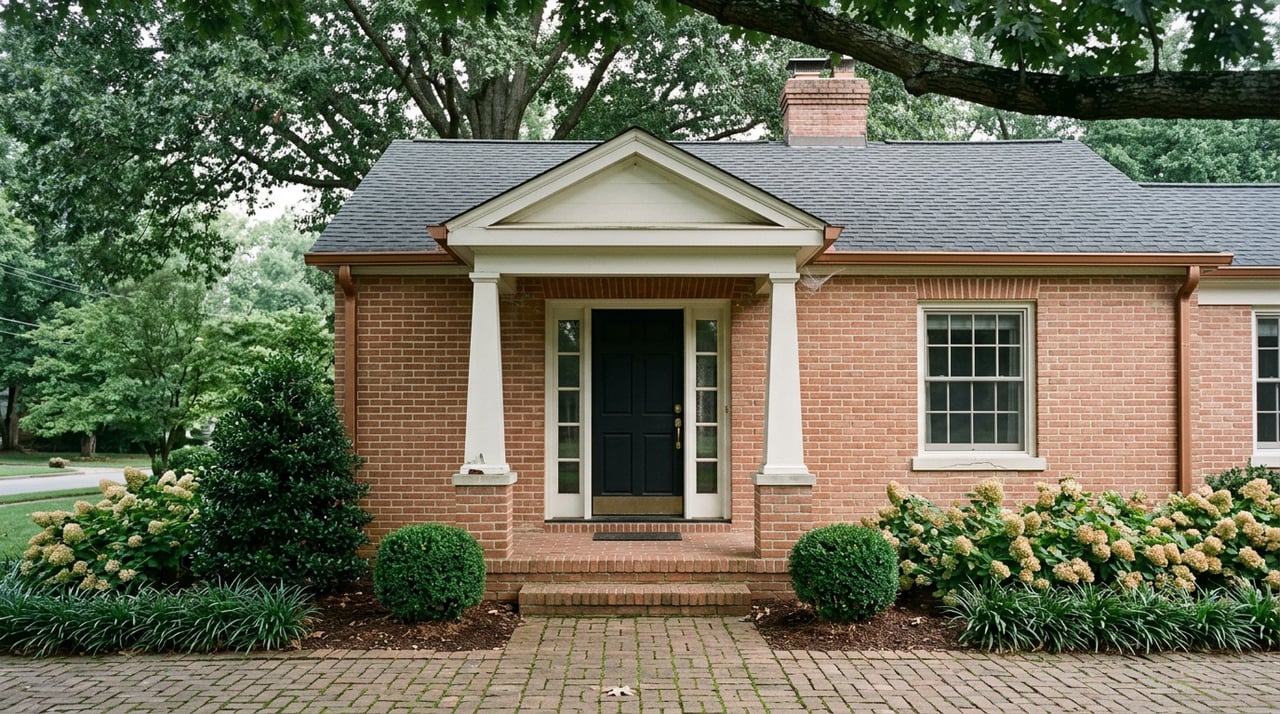
If you've started researching Sunset Hills, you've probably run into the word "historic" a dozen times before you finished your coffee. Colonial Revival porches. Tudor gables. A National Register plaque. What you probably haven't run into is a Certificate of Appropriateness, the permit that governs exterior renovations in Greensboro's other old neighborhoods. That's not an oversight in your research. It's because Sunset Hills doesn't have one, and the reason why changes how you should plan a renovation, a fence, or a pool if you're buying or already own here.
Greensboro has three neighborhoods where the city itself signs off on exterior changes: College Hill, Dunleath, and Fisher Park. Those are locally zoned historic districts, and in each one, a Certificate of Appropriateness has to be issued by the Historic Preservation Commission before you touch a window, a roofline, or a fence. Sunset Hills isn't one of the three. It's a National Register district, listed in January 2013, which is a different thing entirely. National Register status is largely an honor roll. It documents that the neighborhood's 912 contributing buildings, built between 1925 and 1965 in Colonial Revival, Tudor Revival, and Craftsman styles by developer A.K. Moore, are architecturally significant. It does not, by itself, give any government body veto power over your renovation plans.
So who actually reviews your addition, your fence, or your pool in Sunset Hills? Not city staff, and not automatically anyone else either. Whether anyone reviews it at all depends on the specific deed attached to your specific lot, which is a less satisfying answer than "call the historic commission," but it's the accurate one.
Sunset Hills has a neighborhood association, the Sunset Hills Neighborhood Association, which handles newsletters, a community calendar, and board contacts for residents. It's a voluntary civic group, not a government commission and not a legally binding architectural review body with the power to deny a permit. That's different from the mandatory, dues-collecting homeowners associations you'll find attached to some individual properties within the broader Sunset Hills area, particularly condominiums, where a legally binding HOA does exist and does carry its own rules.
That inconsistency is the part worth sitting with. In College Hill, Dunleath, and Fisher Park, one process applies to every property in the district, because the city zoned it that way. In Sunset Hills, there's no such uniformity. Two houses on the same street can have completely different answers to "who has to approve my renovation," and the neighborhood's historic character tells you nothing about which one you're buying.
Here's the gap in plain terms:
| What buyers often assume | What's actually true in Sunset Hills |
|---|---|
| Exterior work needs a Certificate of Appropriateness from the city | Sunset Hills has no COA requirement. That process only applies in College Hill, Dunleath, and Fisher Park |
| The National Register listing restricts what you can build | Listing is primarily recognition. It generally doesn't restrict private property changes by itself |
| One set of rules governs the whole neighborhood | Coverage is inconsistent. Some individual properties, especially condos, carry a legally binding HOA. Most single-family lots in the historic core do not |
| If a property has an HOA, you can review its finances while you're still shopping | Budgets, reserves, and minutes are only available to owners, and only after you're under contract |
North Carolina law gives you more access than most buyers realize, but the timing is specific and it's easy to miss. Under the state's Residential Property Disclosure Act, sellers of most homes must furnish a Residential Property and Owners' Association Disclosure Statement, and that document is due no later than the moment you make your offer. If you never received it before submitting an offer, you get a cancellation right, but it's short: it expires at the earlier of three calendar days after you receive the statement, three calendar days after the contract was signed, or closing and occupancy, whichever comes first. Miss that window and the right is gone.
Separately, the recorded documents that actually spell out what the HOA can and can't restrict, the declaration of covenants, the bylaws, the plats, are public record at the Guilford County Register of Deeds. You don't need to wait for a disclosure statement or an accepted offer to read those. What you can't get before you're under contract are the HOA's internal records: the budget, reserve balances, and meeting minutes. Under the North Carolina Planned Community Act, those are available only to owners and their authorized agents, meaning a buyer who's still shopping isn't entitled to them yet. The seller, who is an owner, has to request them and pass them along once you're under contract, which is exactly why so many buyers only discover a looming assessment or a thin reserve fund after they've already tied up earnest money.
If you're actively looking at a home in Sunset Hills, here's the order that keeps you from finding any of this out too late:
None of this requires legal expertise to execute. It requires knowing which office actually holds the authority, and asking for the right document at the right point in the transaction instead of the wrong one at the wrong point.
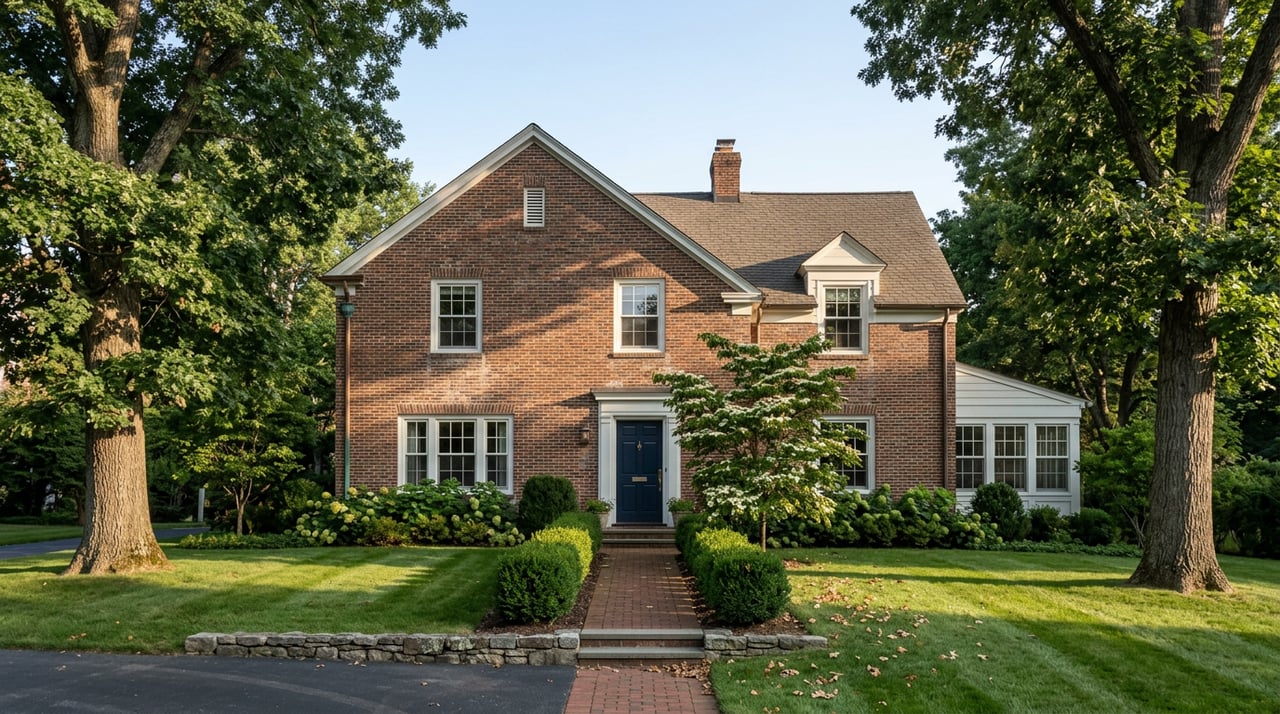
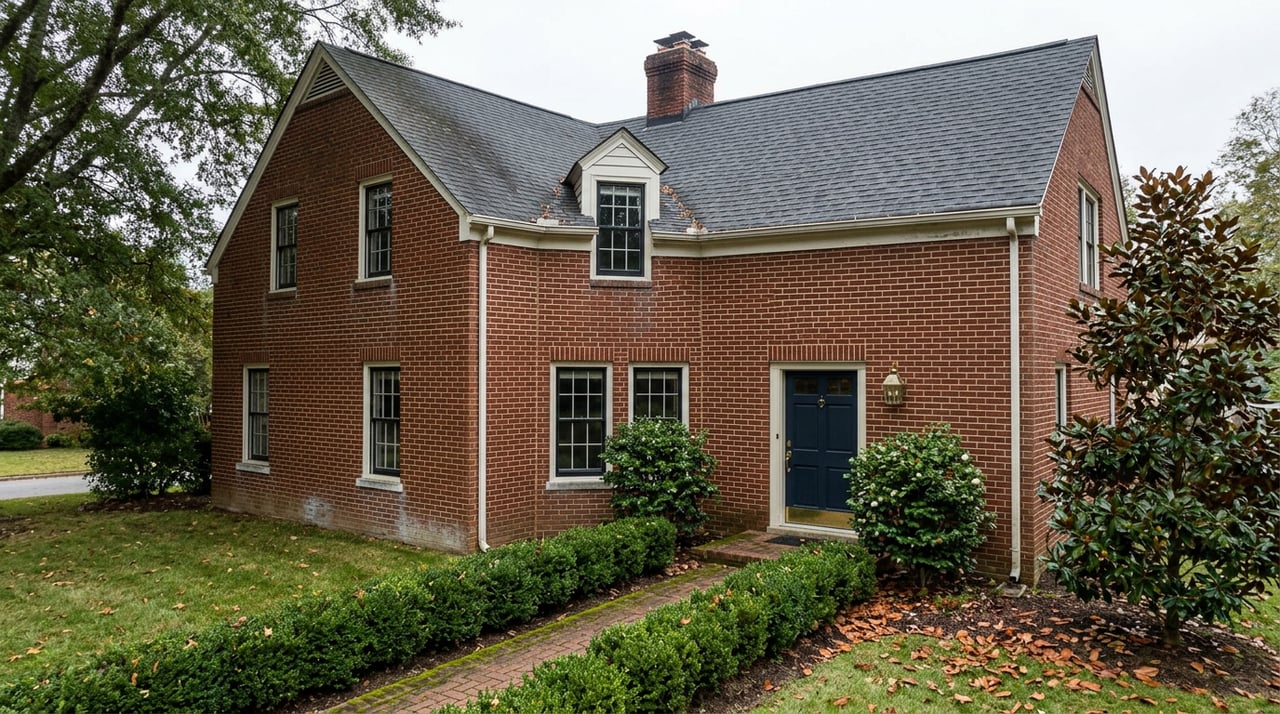
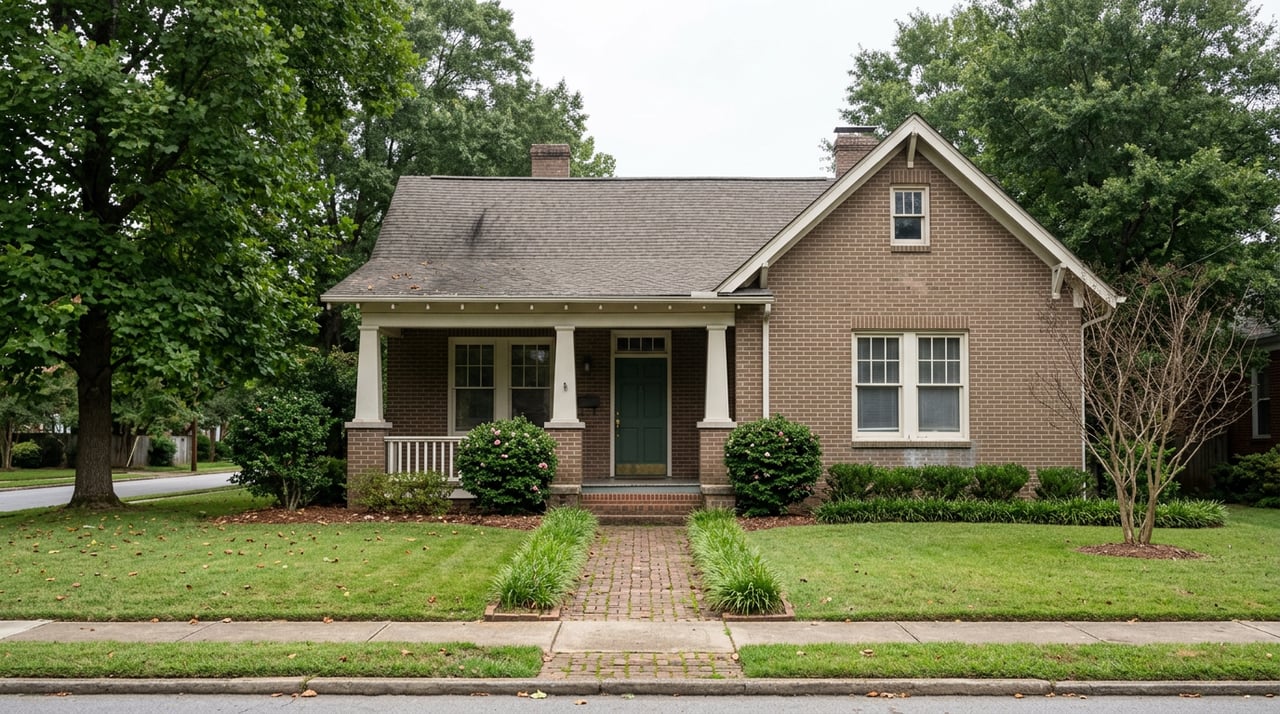
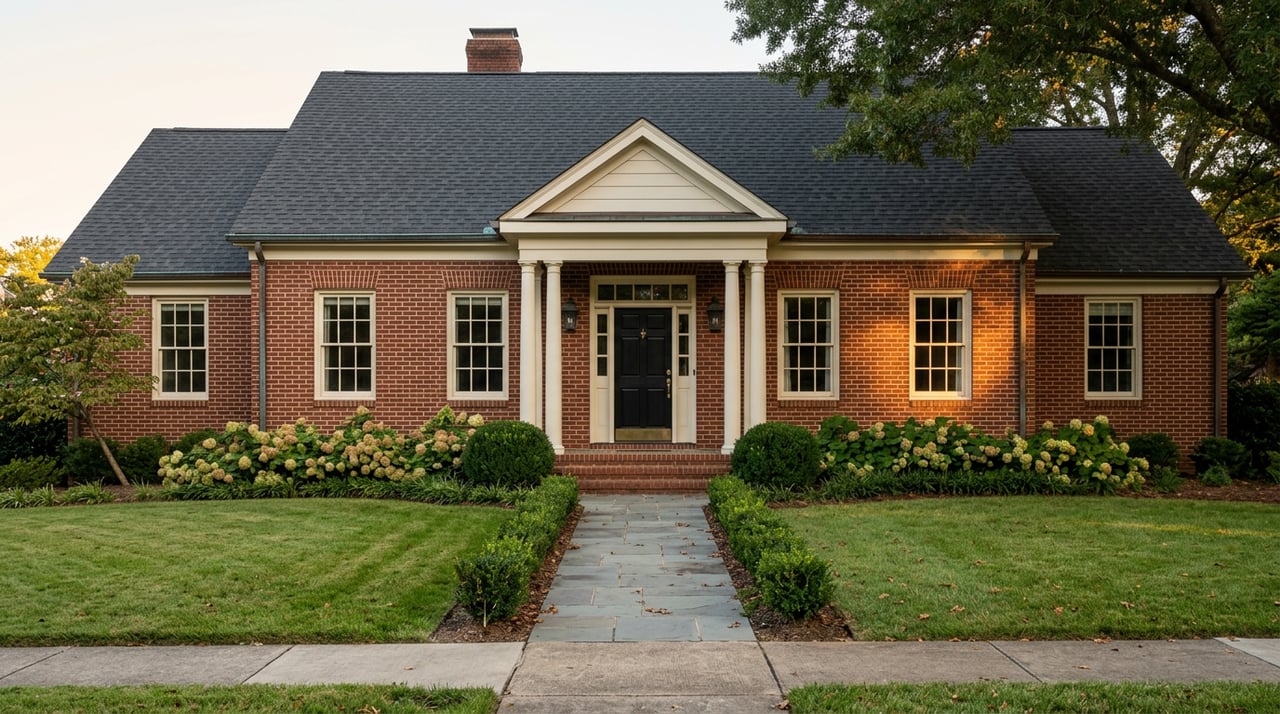
Sunset Hills earned its National Register listing on real architectural merit. Streets like Rolling Road hold well-executed Colonial Revival homes, among them the Ida and Frank Siler House, and the neighborhood's brick veneer construction and mature hardwood canopy are part of what makes it one of Greensboro's most photographed districts. None of that is in question. What's worth separating out is that recognition and regulation are two different things. The city's Historic Preservation Commission adopted updated design standards in September 2025, the first comprehensive update since 2003, but those standards apply specifically to College Hill, Dunleath, and Fisher Park. They say nothing about what happens to a renovation project in Sunset Hills, because the city's review process was never built to reach this neighborhood in the first place.
If you're comparing Sunset Hills against one of those three districts, the honest comparison isn't which one has stricter rules. It's that one has a single, predictable government process and the other has no neighborhood-wide process at all, only whatever happens to be recorded against your specific lot. That's a detail worth confirming before you fall in love with a house, not after.
Does Sunset Hills require a Certificate of Appropriateness for exterior work? No. The Certificate of Appropriateness process applies only in Greensboro's three locally zoned historic districts: College Hill, Dunleath, and Fisher Park. Sunset Hills is a National Register district, which is a recognition designation and doesn't carry that requirement.
Does every property in Sunset Hills have a homeowners association? No. The Sunset Hills Neighborhood Association is a voluntary civic group, not a legal review board, and most single-family homes in the historic core aren't subject to a mandatory HOA. Some individual properties, particularly condominiums, do carry their own separate, legally binding association. The answer depends on the specific deed, not on the neighborhood's historic designation.
Can I see an HOA's budget and reserves before I make an offer, if my property has one? Not directly. Under North Carolina's Planned Community Act, those records are available to owners and their authorized agents, which means they typically reach a buyer after acceptance, once the seller requests them and passes them along.
What happens if I never received the required disclosure statement? You get a cancellation right, but it's brief: it ends at the earlier of three calendar days after you receive the statement, three calendar days after the contract was made, or closing or occupancy.
If you're weighing a move to Sunset Hills, or you already own here and want a clear read on what a renovation will actually require before you spend money on plans, Emma Skelton can walk you through the paperwork, the timeline, and the neighborhood specifics that make this transaction different from the one three streets over.
Whether you are looking to buy or sell a luxury property, you can trust my expertise and dedication. Together, let's navigate the real estate market, achieve your goals, and create the lifestyle you desire. Contact me today, and let's embark on this exciting journey together.