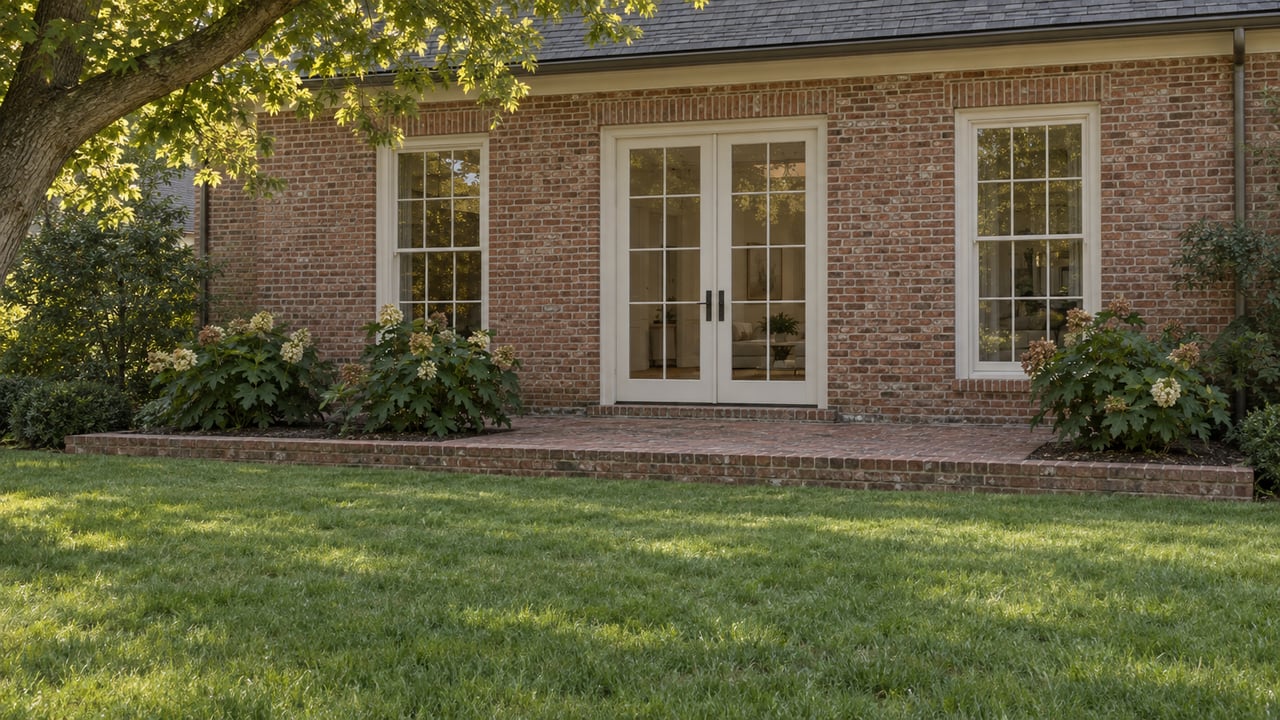
Starmount Forest Homes Near the Golf Course Cost More. The Club Membership Still Isn't Included.
October 1, 2026
October 1, 2026
A listing near the sixteenth tee box came with an unusual line near the bottom of the description: buyers interested in the golf course view were told to contact the club directly about joining. Not the seller. Not the listing agent. The club.
That small addition tells you something the price alone doesn't. In Starmount Forest, the homes and the country club they surround are two separate transactions, and conflating them is the most common mistake buyers make when they fall for a fairway view.
Starmount Forest has no homeowners association. There's no annual assessment, no architectural committee tied to your deed, no dues that show up alongside your mortgage statement. The neighborhood itself is just a collection of streets, curving through mature trees on the west side of Greensboro, close enough to Friendly Center to walk to dinner.
Starmount Forest Country Club is a different entity entirely. It's a private club, founded in 1930, and an affiliate member of ClubCorp, the same hospitality company that operates private clubs across the country. It sits inside the neighborhood geographically, but it isn't a neighborhood amenity in the way a subdivision pool or clubhouse would be. You don't get access by closing on a house nearby. You get access by applying, paying an initiation fee, and paying dues, the same as anyone else in the region who wants to join.
That distinction is easy to miss because so much of the marketing language around Starmount Forest treats the club as part of the package. It isn't. It's a neighbor.
Here's the split, in practical terms.
| Buying a home in Starmount Forest | Joining Starmount Forest Country Club |
|---|---|
| The house, the lot, the deed | Golf course access |
| No HOA dues | Tennis courts, pool, dining room |
| Proximity to a golf course view or fairway frontage | An initiation fee plus ongoing annual or monthly dues |
| A neighborhood with mixed architecture from Cape Cods to custom estates | A separate application, decided by the club, not the seller |
Membership tiers at the club include golf, social, and family options, each with its own dues structure. None of that is disclosed on a property listing, and none of it transfers automatically with the sale. If the sellers were members, their membership does not convey to you. If you want to golf, you start the application process on your own timeline, at your own cost, after closing.
This is where the price data gets interesting. Across the range of homes in Starmount Forest, the spread between an interior-street property and a golf-frontage estate is wide, often running from the low $600,000s to $1.8 million or more for the largest custom builds overlooking the course. Square footage explains some of that. Renovation quality explains more. But a meaningful piece of the gap is simply proximity to the fairway itself, whether or not the buyer ever plans to join the club.
That's a specific kind of premium. Economists sometimes call this a positional good: something valuable not because of what it does for you directly, but because of where it sits relative to something scarce. The golf course is scarce. Land that touches it is scarcer still. So the market prices the view and the frontage, independent of whether the eventual owner ever plays a round.
It helps that the course itself has real pedigree. It dates to 1930, with design work credited to architects including Perry Maxwell, whose layouts from that era are still recognized in golf circles today. That history adds to the setting's appeal for everyone nearby, member or not, the same way a well-kept park raises the value of the houses that face it without charging admission to look.
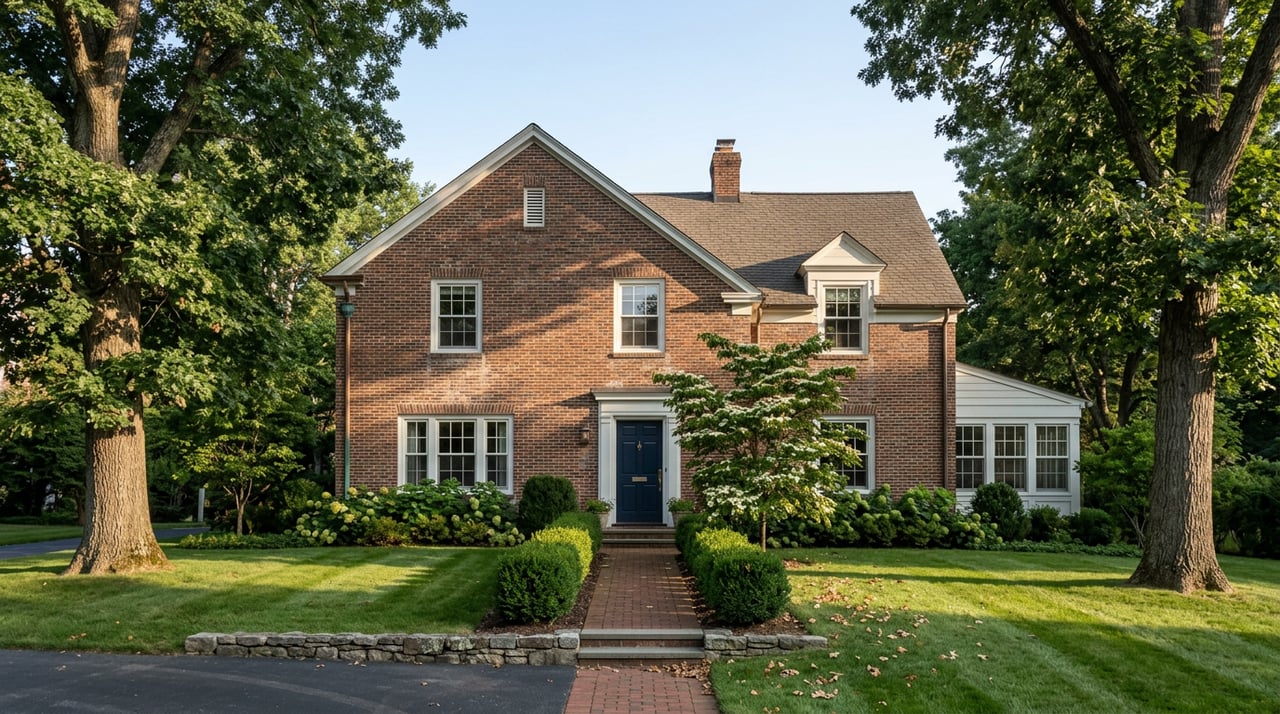
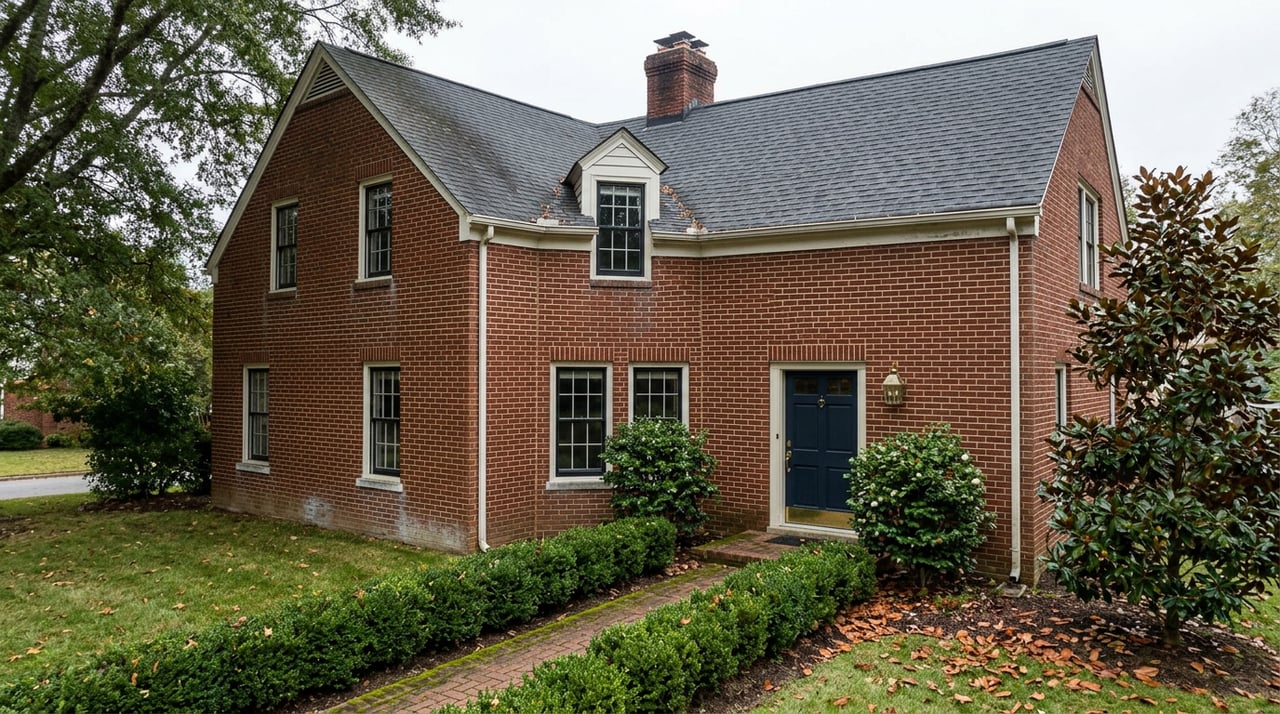
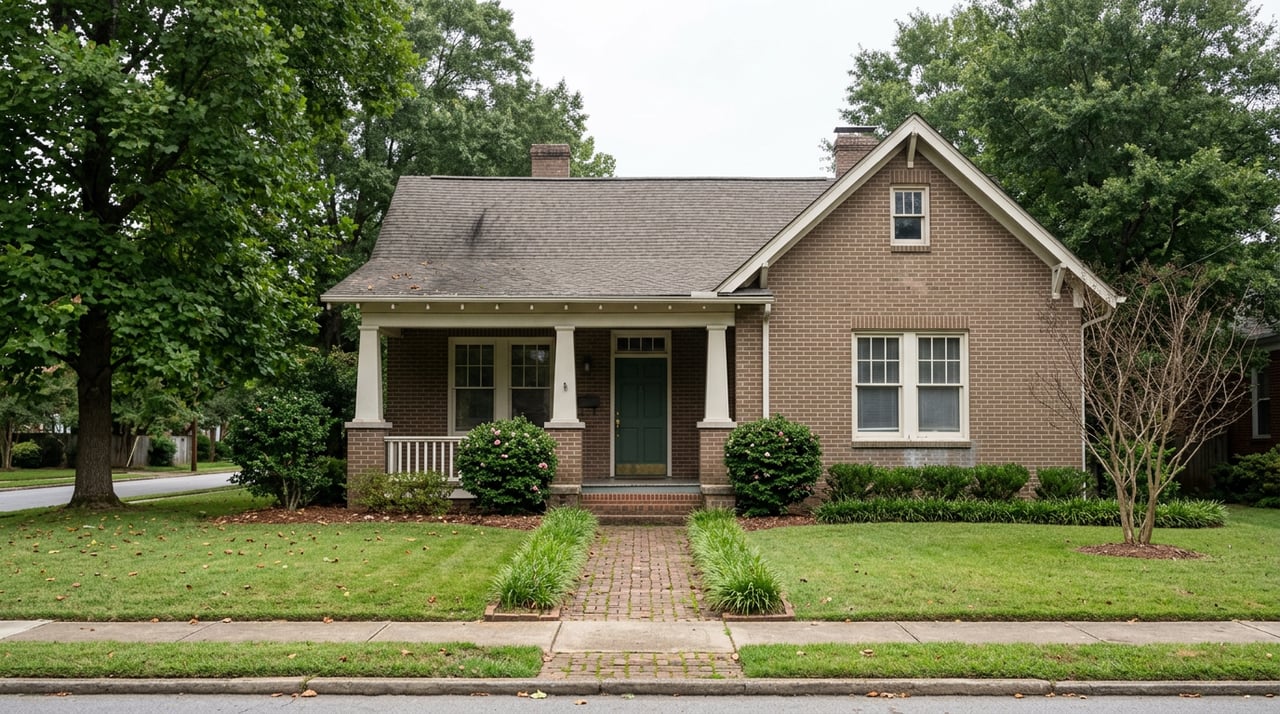
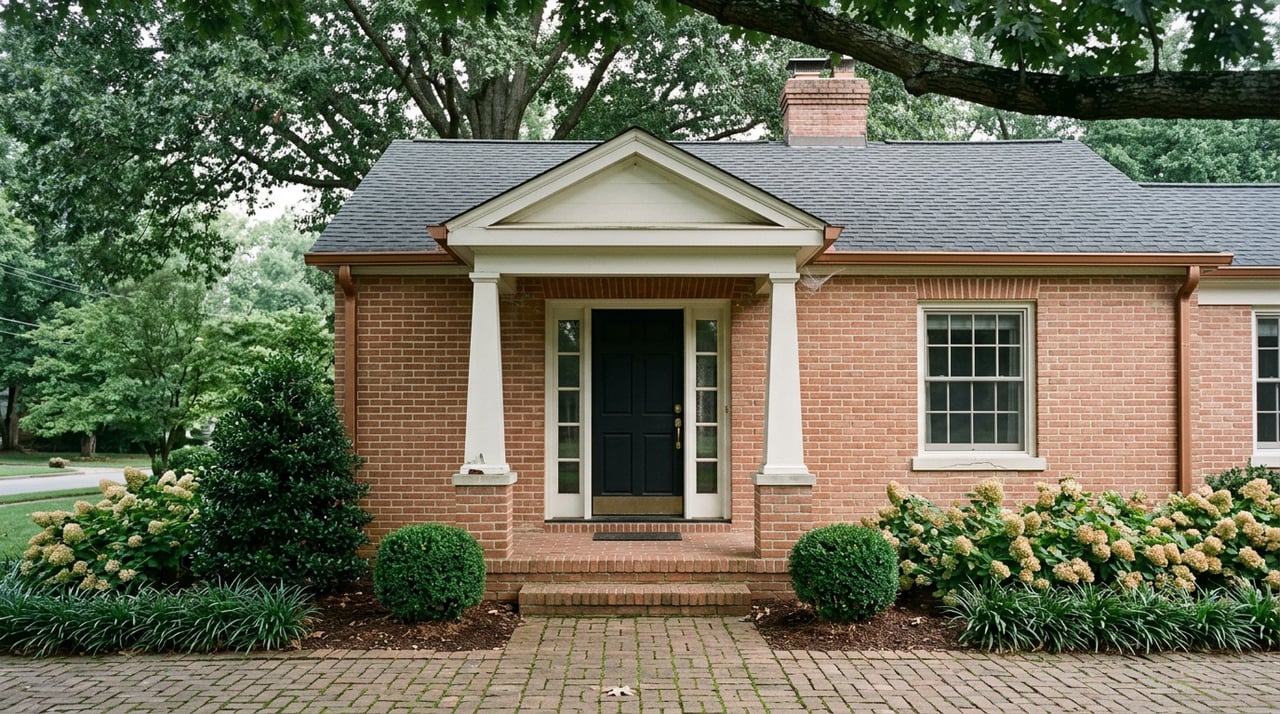
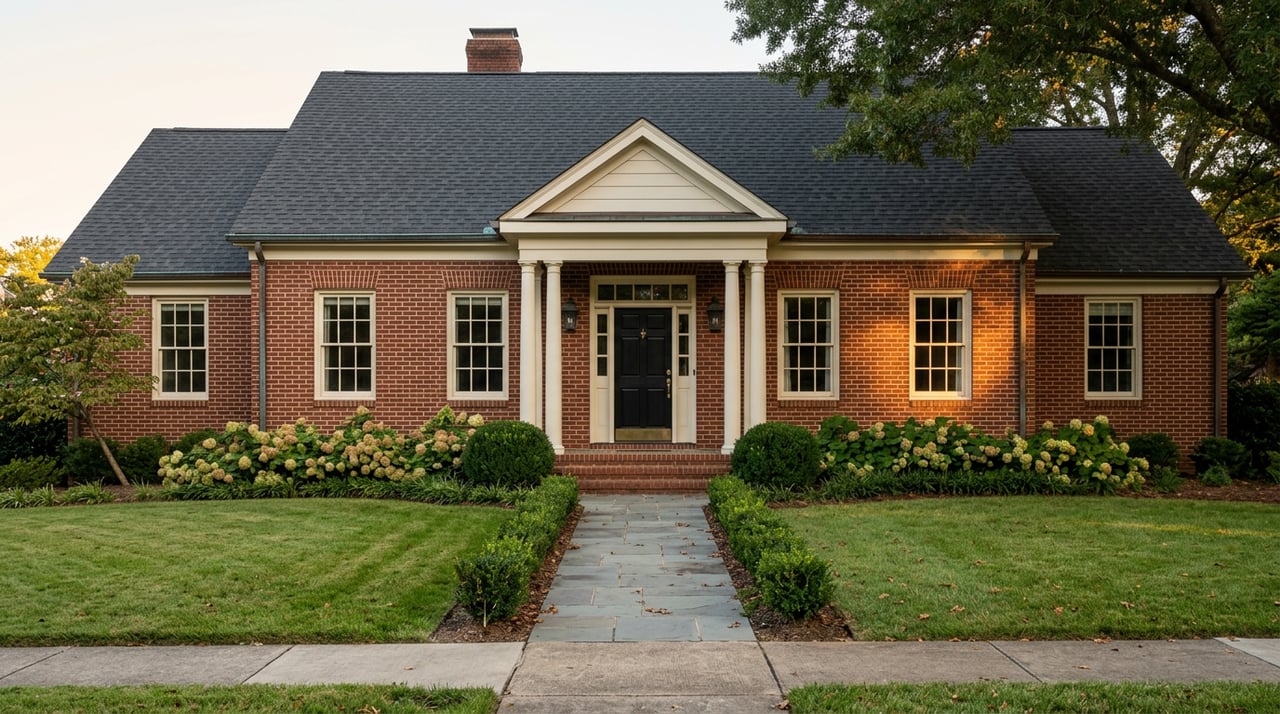
The building stock around that setting is older than a lot of buyers expect. Homes here run from Cape Cods and ranches built as early as the 1930s through the 1990s, with the older, smaller homes concentrated on the interior streets and the larger, garage-equipped properties clustered closer to the course. So part of what you're pricing when you compare two Starmount Forest listings isn't just lot location. It's often decade of construction, layered on top of proximity.
If a golf course view is part of why a property caught your eye, a few questions are worth asking before you get attached to the number on the listing.
None of this makes Starmount Forest a harder place to buy. It makes it a place where the house price and the lifestyle cost are two separate lines in your budget, not one bundled figure. Buyers who go in expecting that split tend to negotiate and plan with a clearer head than buyers who assume the fairway comes with the deed.
Do I have to join the country club to live in Starmount Forest? No. Membership is entirely optional and unrelated to owning property in the neighborhood.
Is there an HOA in Starmount Forest? No. The neighborhood has no homeowners association or mandatory dues structure tied to the property itself.
If a house borders the course, does that guarantee a golf course view? Not automatically. Tree lines, fencing, and the specific hole a lot faces all affect what you actually see from the yard, so a property description mentioning the course is worth confirming in person before you weigh it into your offer.
Can I inherit a seller's club membership when I buy their house? No. Club membership is a separate agreement between the individual and the club, not an asset attached to the property, so it does not convey at closing.
If you're weighing a Starmount Forest property against another Greensboro neighborhood and trying to figure out what you're actually paying for, from the house to the setting to whatever club or amenity sits nearby, that's exactly the kind of conversation Emma Skelton has with buyers before an offer ever goes in.
Whether you are looking to buy or sell a luxury property, you can trust my expertise and dedication. Together, let's navigate the real estate market, achieve your goals, and create the lifestyle you desire. Contact me today, and let's embark on this exciting journey together.